
An Intriguing Find
On meeting an ancient Green olive

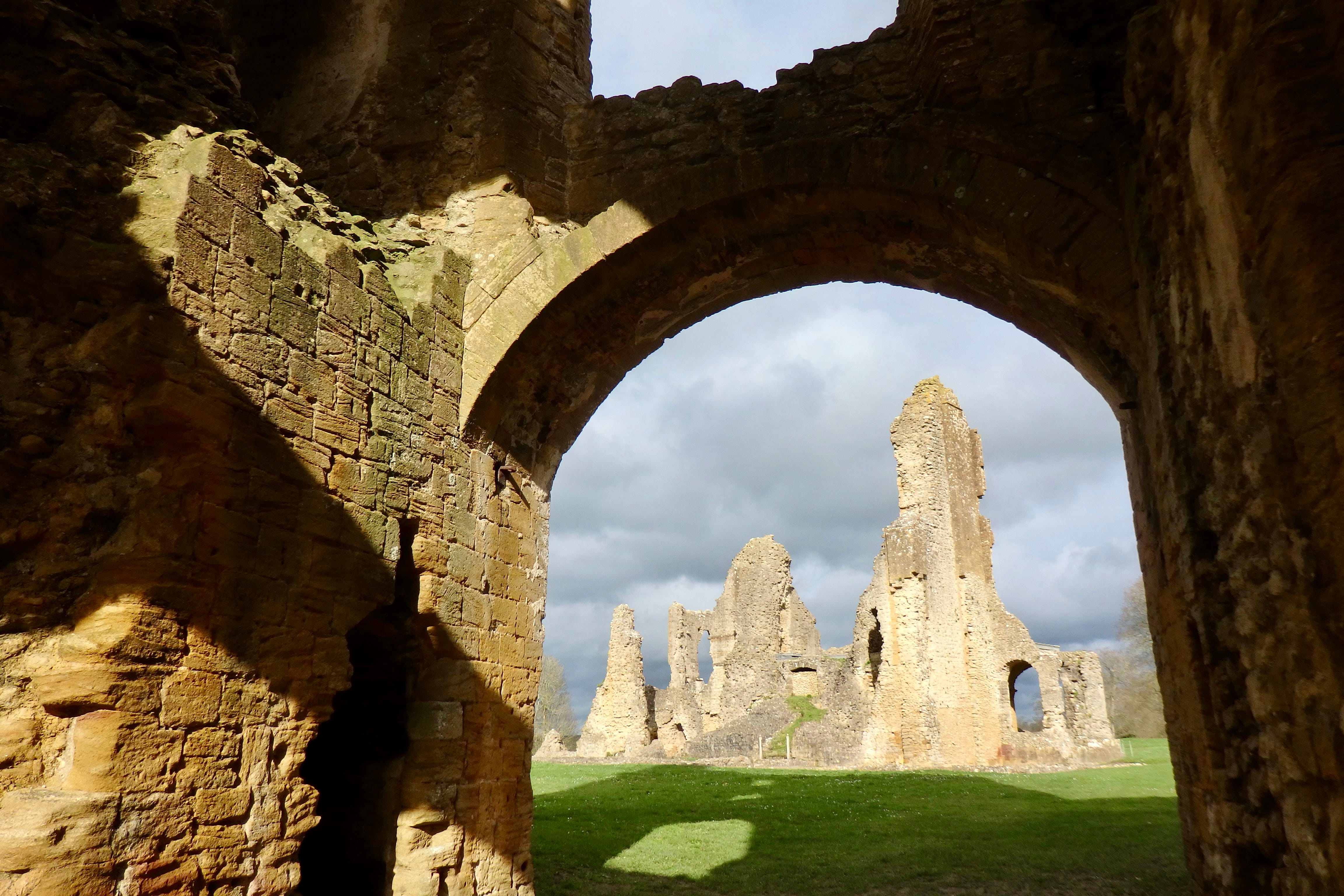
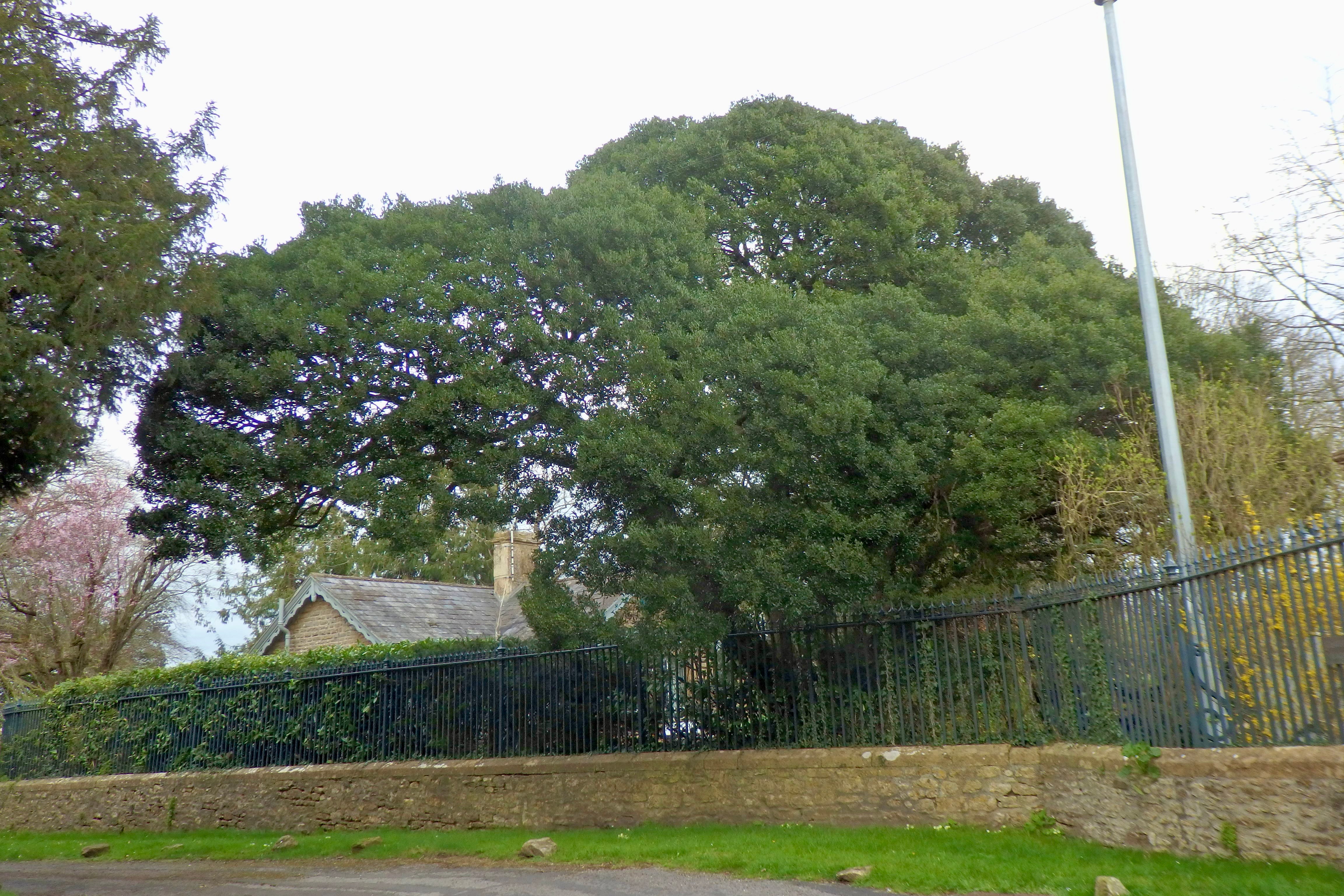
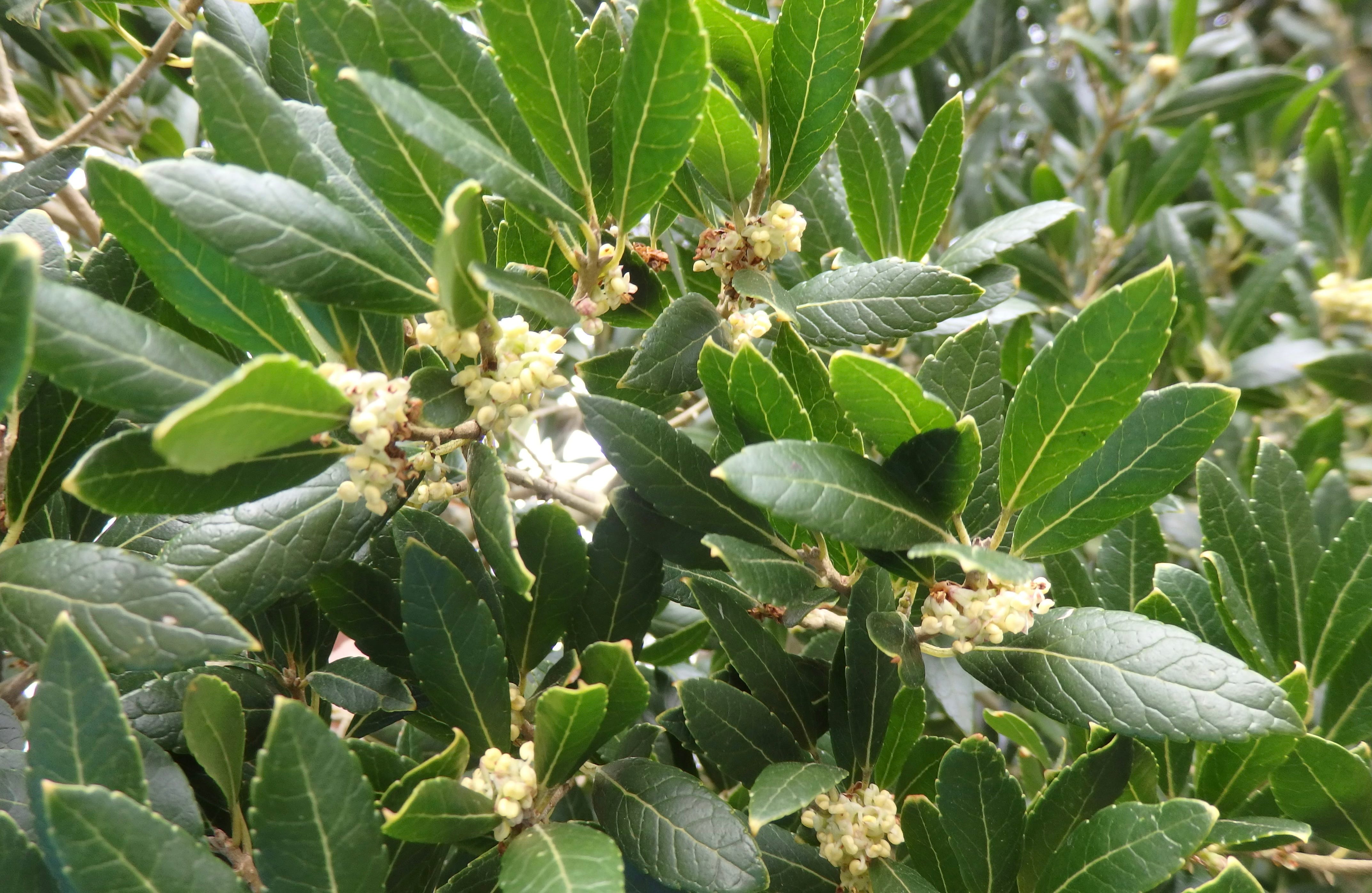
My family and I recently took two days out adventuring in Dorset and Somerset. During this time, in the charming Dorset town of Sherborne, near its Old Castle, I came across a plant-being the like of which I’ve never seen (consciously at least). Namely a Green olive, or Mock privet, known to science as Phillyrea latifolia, and closely related to the classic Olive tree.
Likewise from the Mediterranean, I’d not come across one so large and, likely, so old. I’d always imagined them as a large shrub but here, in an old garden near the entrance to Sherborne’s ruined castle, was a veritable tree with stout trunks. Green olives are slow growing and so I was immediately wondering how old this particular individual could be. Truth be known, I was intrigued and excited.
Apparently Green olive was a late 16th Century introduction to the British Isles, thanks to renowned herbalist John Gerard, and is today occasionally used in Tudor/Elizabethan garden restorations. Otherwise, you will rarely see this evergreen, not that the plant is without horticultural merit. The current trend for cloud-pruning, for instance, may witness a resurgence in popularity; Green olive responds well to such restrictive fancy.
A Google search came up with a small number of other significantly large individuals elsewhere in England, but with no suggestion of age. Going out on a limb I suspect the Sherborne Green olive could be one of the oldest of its kind in this country and I’m currently trying to find out more detail with the help of similarly curious folk at Sherborne Museum. I smell a sweet story here.
As the Museum staff acknowledged, we often get wrapped up in anthropocentric storytelling, our general plant blindness causing us to miss many vegetal tendrils that are, of course, entangled with and influence our human existence. We could celebrate these giants whose shoulders we stand upon more than we do, whilst acknowledging the darker side to our human nature that their stories can sometimes bring to light.
Interestingly, across the lane from said Sherborne garden was an ancient row of stone houses, the nearest named Raleigh Lodge after Sir Walter Raleigh, the famous Elizabethan explorer/coloniser. Raleigh has a significant historical and propertied presence around the town, involving the Old Castle, and is known to have been acquainted with John Gerard, both sharing a love of botany.
Might Green olive’s own presence in Sherborne be a direct legacy of their time together (NB: I’m not suggesting the featured individual is that old)? They wouldn’t be the only plant from the Mediterranean to have been popularised by Raleigh; the legendary Myrtle is thought, for example, to have been a post Roman re-introduction of his.*
We may never know for certain but there’s more than enough already, I feel, to warrant this Green olive a place in Sherborne Museum’s storytelling, warts and all. One hopes the tree’s ‘owner’ feels likewise.
*******
*On a whim, I checked for Myrtle place names around Sherborne and there is indeed a Myrtle Cottage dating back to the period in question. An offshoot of sorts, perhaps, of Raleigh’s local garden fancies? Funnily enough, we have a similar story here around the Torridge Estuary in Devon, with unusually numerous Myrtle place names alongside known visitations by Raleigh. But that’s another juicy story for a later post.


