
O is for...
Old-growth

“Old-growth forest is as stunning in its elegance of function as in its beauty.” Potawatomi botanist Robin Wall Kimmerer
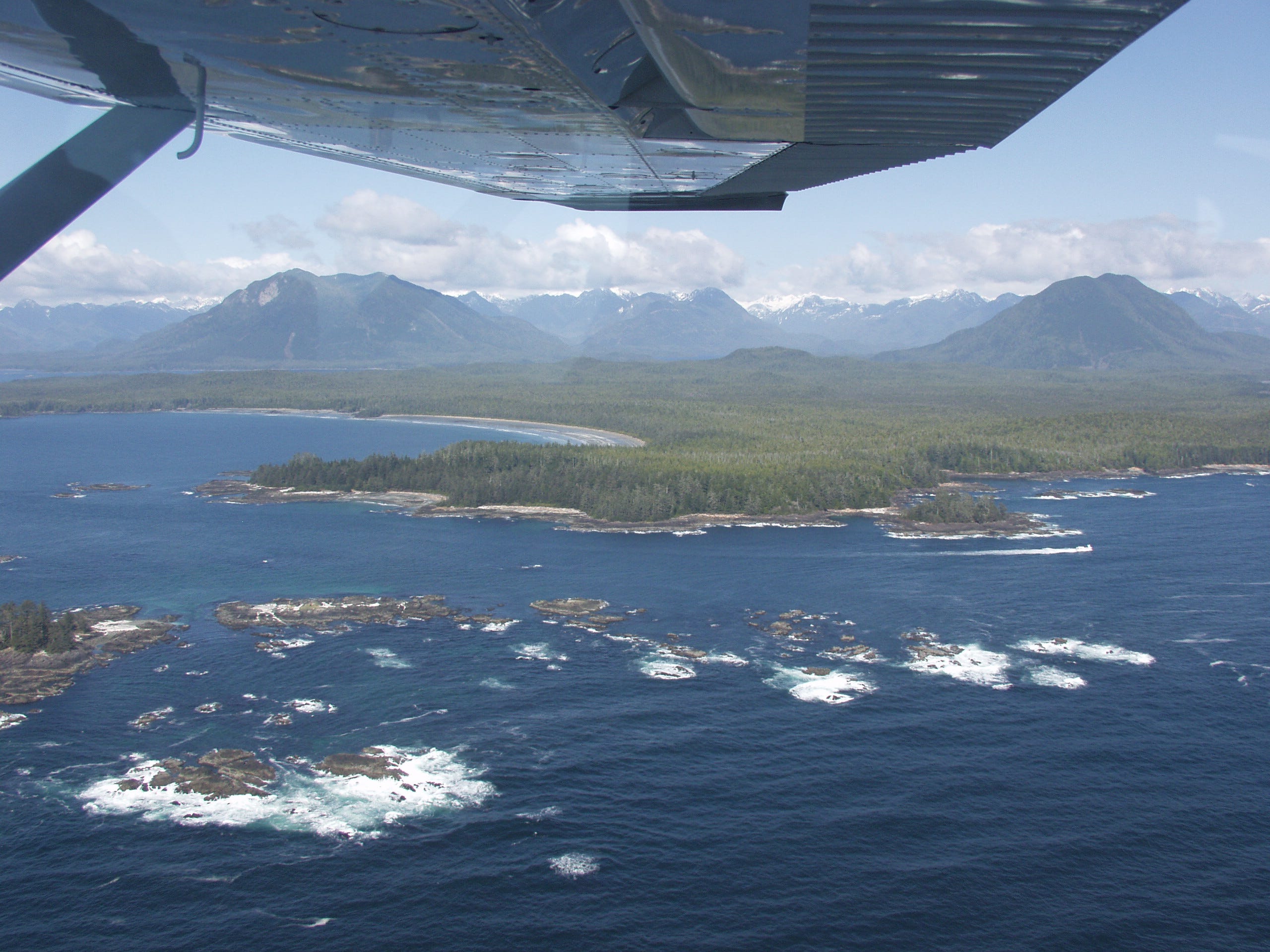
This term - old-growth - is most often associated with forest, though can also apply to other kinds of vegetation, and individual life-forms. Essentially, the ecosystem involved has avoided significant disturbance and reached a great age, consequentially exhibiting particular ecological features and, very likely, representing a ‘climax’ community - the peak of ecological succession.
Beyond minimal signs of human disturbance and the presence of ancient trees, old-growth forest may be characterised thus: mixed-age stands (the antithesis of plantations, from mother tree to sapling); occasional canopy openings due to fallen trees (with saplings beneath); ‘pit-and-mound’ topography (from said uprooted older trees); fallen wood in various stages of decay; standing ‘snags’ (dead trees, great for the likes of woodpeckers); multilayered canopies (including a multitude of bark or branch-born plants like mosses, ferns, bromeliads, even algae); mature soils; a rich fungal community; and the presence of certain indicator species. The less disturbance and greater the age the more likely the forest could also be described as primary, virgin or primeval forest. In Britain, where such descriptors are essentially redundant, old-growth forest amounts to ‘ancient woodland’ (undisturbed for a few centuries only); even this is few and far between these days.
Aside from their vital role in both hydrological and nutrient cycling, old-growth forests are massive carbon sinks, this being held in the accumulated living matter both above and below ground, rather than the air. Different types of forest have different capacities in this respect. For example, the great temperate rainforests of the American Pacific Northwest - one of the most memorable landscapes I’ve ever had the privilege to visit - store huge amounts of carbon. They grow lush vegetation, trees live a long time, decomposition is slow, and fires are rare. As elsewhere, sadly, they are threatened by the resource cravings of modern society; big trees mean big money.
Yet we can go beyond utilitarian value, even beyond recognising ecosystem services, to reverence. “The ‘green architecture’ of the forest structure itself is a model of efficiency,” writes Robin Wall Kimmerer in her book Braiding Sweetgrass, “with layers of foliage in a multilayered canopy that optimises capture of solar energy. If we are looking for models of self-sustaining communities, we need look no further than an old-growth forest. Or the old-growth cultures they raised in symbiosis with them.”
As alluded to earlier, another remarkable characteristic of old-growth forests is the fungal activity within such communities. Three quarters of any given unit of old-growth soil is fungal biomass, a ratio that increases with the stages of succession, and a fact that contributes to the tendency for more biodiversity below ground than above. Given our mushrooming knowledge of the interconnectivity and mutualism exhibited by many of these organisms, especially in relation to plants, the time is ripe to raise our appreciation of old-growth for all that it offers. Indeed, as legendary US mycologist Paul Stamets has observed, “our old-growth forests that contain these ancient fungi are deep reservoirs of potential compounds that could fight endemic viruses. We should save the old-growth forests as a matter of national defence.”
Earth poet Stephen Harrod Buhner, in his book Plant Intelligence and the Imaginal Realm, underscores the invitation to revere elderhood: “old-growth plants [along with ecosystems and cultures]… begin to take on a much different character than their younger offspring. There are states of being that only come into play with age, and with the extensive development of expanded neural fields [root systems in the case of plants, amplified by mycorrhizal relationships]; the neuronal structure in an ancient redwood or old-growth Artemisia absinthium is different from that in younger plants… so are the memories and life experiences held within that neuronal structure. Plants become wise, too, as they age. … You can literally feel the difference such maturity brings in encountering old-growth trees.” His last point resonates strongly; there is something very special, awe-inspiring, about meeting ancient trees or a forest of them. With the latter, the similarity in feeling to the great European cathedrals - Duomo di Milano for instance - is no coincidence.
As there is very little genuinely old forest left in Europe it’s heartening to hear, as forester Peter Wohlleben notes in his book The Hidden Life of Trees, that there’s recently been consensus among German politicians that 5% of German forests should be left to their own devices so that they can become the old-growth forests of tomorrow. I hope the idea spreads.* Of course, such regeneration will take hundreds of years, and must embrace the species movements compelled by climate change, yet time and some intergenerational trust are the only vital resources necessary. What a legacy this would be for future Earth generations - of all kinds. Recalling one of the more famous old-growth sites on Vancouver Island in the Pacific Northwest, Cathedral Grove, such forests would be truly sacred places and need not exclude humans if acting accordingly. The good ancestor might begin by simply gathering their community to light votive candles under a dusky woodland canopy. Every great Oak arises from a little acorn after all.
*This previously unpublished piece was written a few years ago. For evidence that the idea is spreading, please also read my recent Substack post below…

In Convivium #8.