
V is for...
Veriditas

(Continuing with excerpts from The Z-A of Plants and People - An Alternative Guide to Greater Harmony, previously unpublished.)
Veriditas (or viriditas) follows on nicely from vitamin G(reen). It is the combination of two Latin words - green and truth - and can refer to such things as greenness, lushness, vitality and fecundity, whilst also being used specifically to describe Nature’s healing power, especially that mediated by plants.
With this latter aspect uppermost in her mind, the term was coined by the 12th Century Benedictine abbess and polymath Hildegard von Bingen, a fascinating character whose life can be explored via Wikipedia (for instance). She became a renowned holistic healer, using herbs as well as precious stones, and her books are valued today as they document medieval medicine at a time when most practitioners rarely wrote in Latin.
Hildegard’s work highlighted the relationship between the health of the vegetal world and that of the human being, an imbalance in either leading to illness or dis-ease; she believed in the ability of plants to heal themselves via a ‘greening force’ and explored an equivalent that could be supported within the human body. In this way she seems to prefigure the notion of immune systems, as well as Earth medicine (wherein there is a correlation between the effects of herbs in the body and the effects of those same plants within the ecosystem). Hildegard carried the holistic correspondence further and suggested, for instance, that a waxing moon was good for human conception as well as sowing seeds. The latter aspect is reflected in the modern and rather mysterious practice of biodynamic farming.
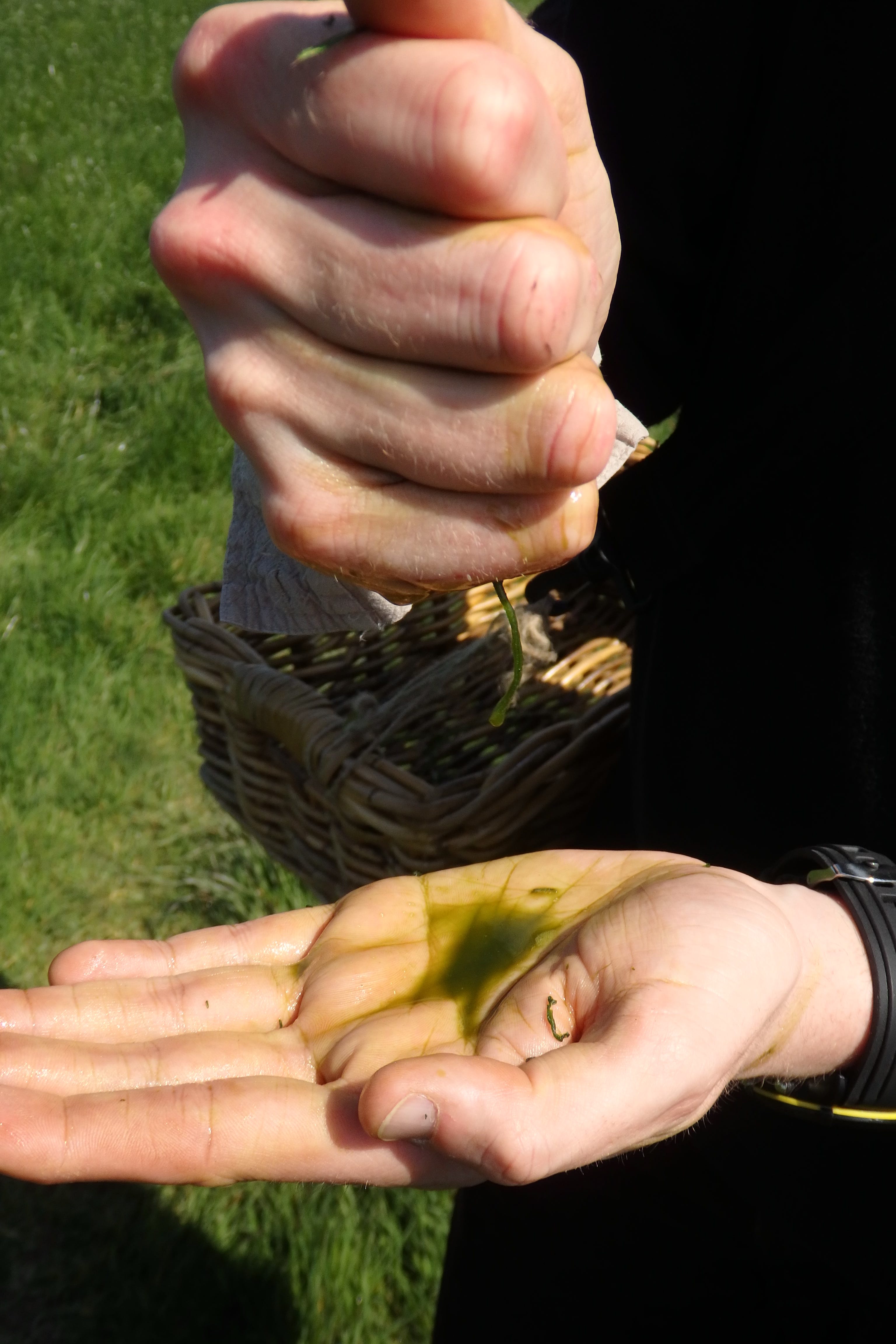
As poet Hannah Thomassen has commented, “Hildegard’s veriditas means… the over-riding pulsating power of aliveness, the lushness of being and becoming, fecundity and growth, the flowing forthness of love, yearning, passion and creativity, the fruitfulness of relationships and spiritual life. There is no direct English equivalent for veriditas, no word that captures its nuanced meanings and applications, its ineffable mystery and power.” All this, it was believed, could be transferred to people; the moment a plant entered and began healing you was the moment of Veriditas!
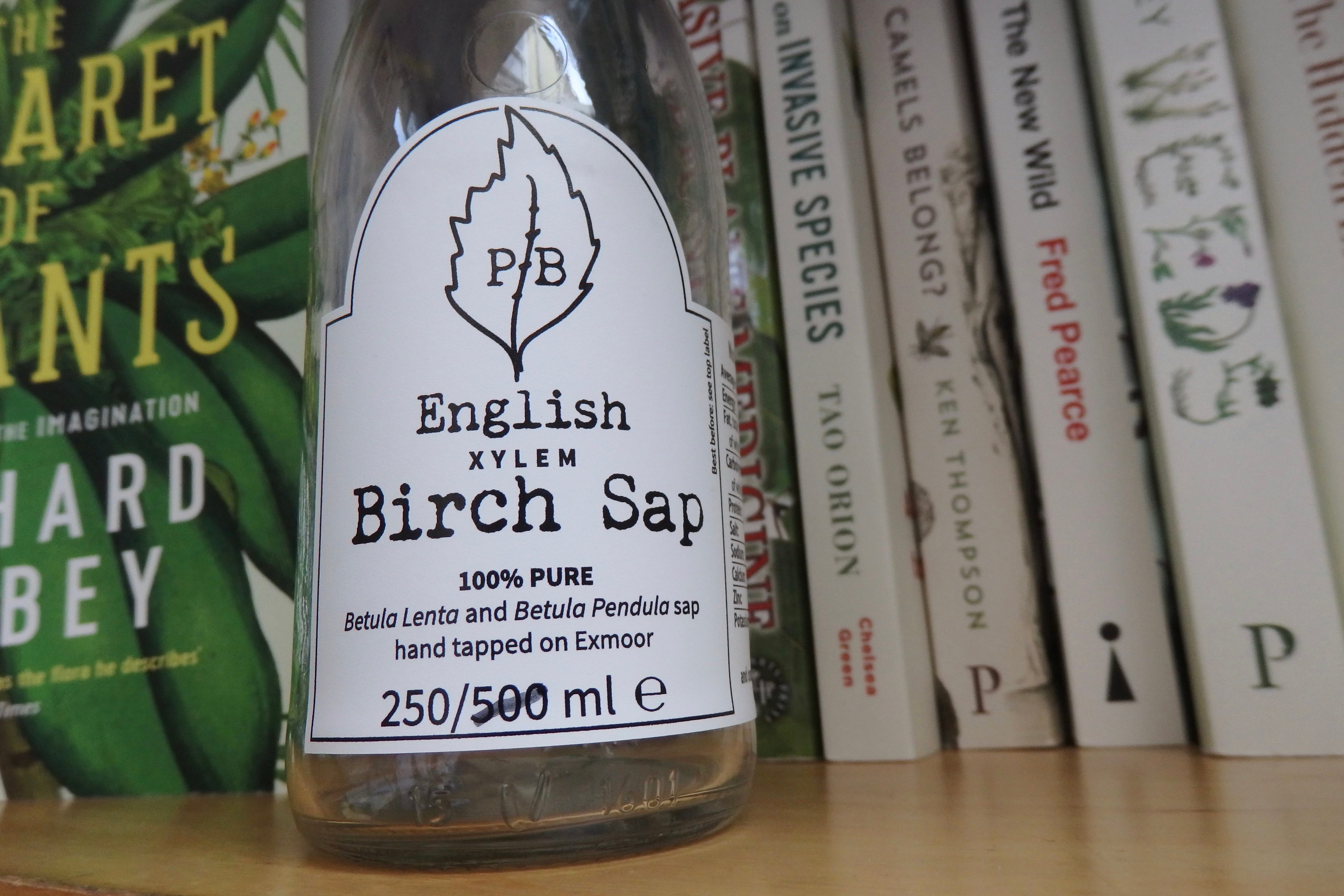
Originally framed by religion, as a divine power, the term now seems to have a more scientific flavour (though often with broadly spiritual undertones), appearing as it does on the websites and in the books of contemporary herbalists. For example, in his book Plant Intelligence and the Imaginal Realm Stephen Harrod Buhner offers a modern perspective on Hildegard’s ‘greening force’; he explores plants’ intelligent creation of chemicals that help maintain the balance of both themselves and the wider ecosystem - including animals, which means us. He refers to this as ‘molecular veriditas’ (akin to Earth medicine which he has also written about).
Intriguingly, in her book Beyond the War on Invasive Species, permaculturalist Tao Orion uses the v-word in reference to such plants. She remarks that “they are the essence of viriditas - life’s tendency to thrive even in unexpected and unforgiving places.” Certainly, as other entries in this directory attest, there is a compelling correlation between the ‘invasiveness’ of a plant and the strength of its healing capability. Think ‘invasive’ plant for invasive disease, and Japanese knotweed with Lyme for instance.
Herbal remedies aside, here’s an invitation: next time you return from foraging or your local organic market with vitalised vegetal goodies for the dinner table, it may be worth instituting a new version of Grace before the meal, in the spirit of veriditas - and gratitude of course. Indeed, I offer the following words as one possibility…
O most honoured Greening Force,
You who roots in the Sun;
You who lights up, in shining serenity, within a wheel
that earthly excellence fails to comprehend.
You are enfolded
in the weaving of divine mysteries.
You redden like the dawn
and you burn: flame of the Sun.
Hildegard von Bingen, from Causae et Curae