
Bräken | Fern
Revealing hidden depths

Ferns have been imprinting their fractal feathering on our brains ever since the first humans appeared, having originally evolved, it’s thought, between 300 to 400 million years ago, long before the dinosaurs. Etymologically, I believe ‘fern’ is actually derived from ‘feather’ which, to me, is a nice way of thinking of them; after all this time their elegant and essentially unchanged vegetal forms still play a key role in feathering Gaia’s otherwise harsh land masses.
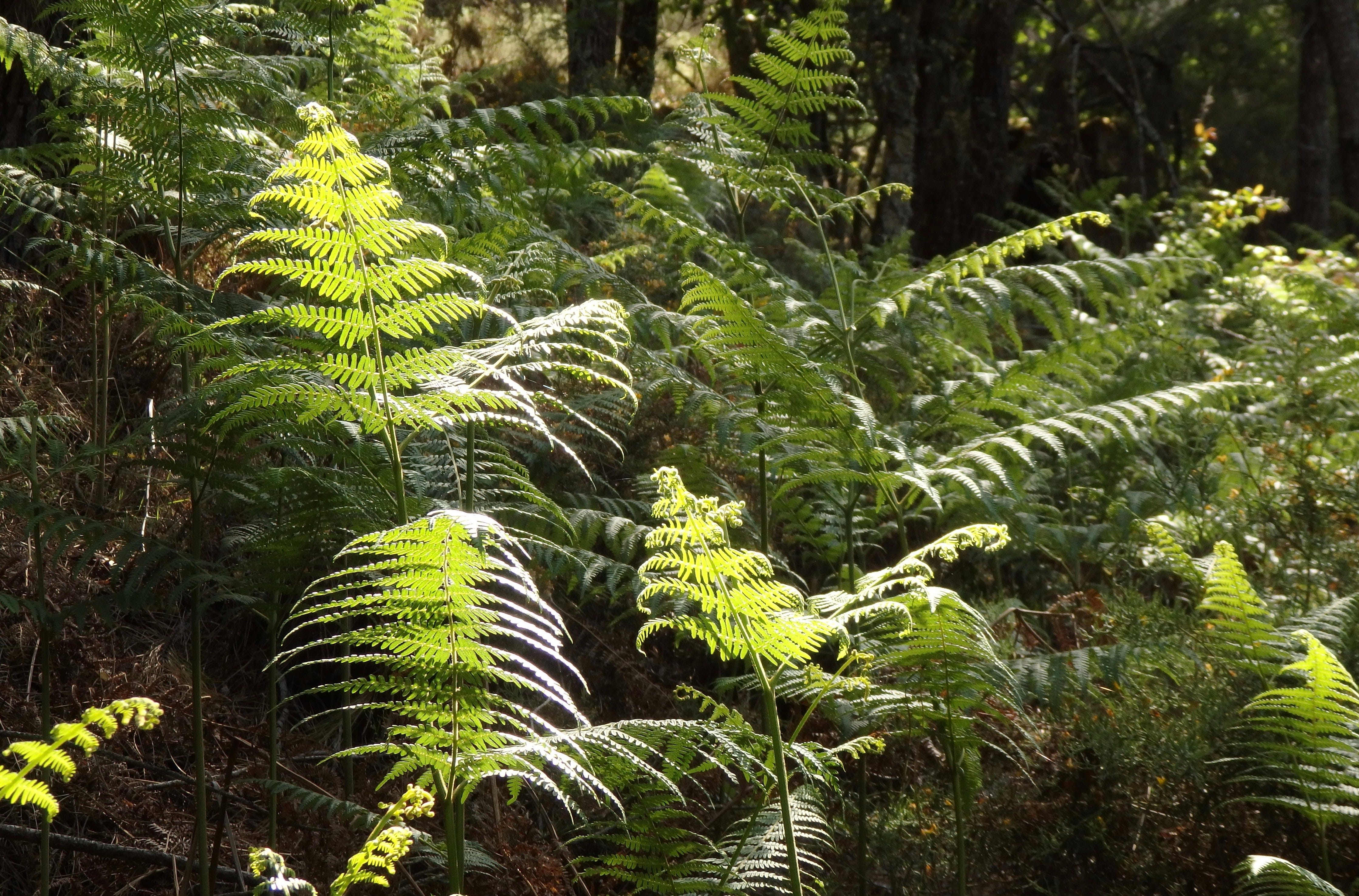
I’m far from alone in being strangely attracted to ferns, and they were one of the thirteen plant beings I intended to get to know better this year. Exactly why I’m drawn to them now may have something to do with their ‘medicine’ which, according to Ke’oni Hanalei, is most related to emotional healing - an imprinting in our hearts. I’m hoping to one day interview Ke’oni for my In Convivium series, an extraordinary modern Hawai’ian who also happens to be the keeper of a sacred wisdom lineage, involving fern medicine, dating back some 18,000 years. Yes, that’s not a typo. If you’re not already aware, human history goes much farther back than we are taught in school. But that’s a rabbit hole for another time.
Now, the Swedish word for fern is bräken, which brings me to the particular and rather ubiquitous fern form I’d like to focus on in this post - Bracken (Pteridium aquilinum), a plant known to every continent bar Antarctica (although their ancient ancestors once grew there too, pre-ice). They are a great example of one person’s weed being another’s wisdom; an invasive, toxic plant that can reduce biodiversity and harbour disease-carrying ticks, or a soil-builder, habitat-regenerator and a signifier of former temperate rainforest (even woodland more generally).
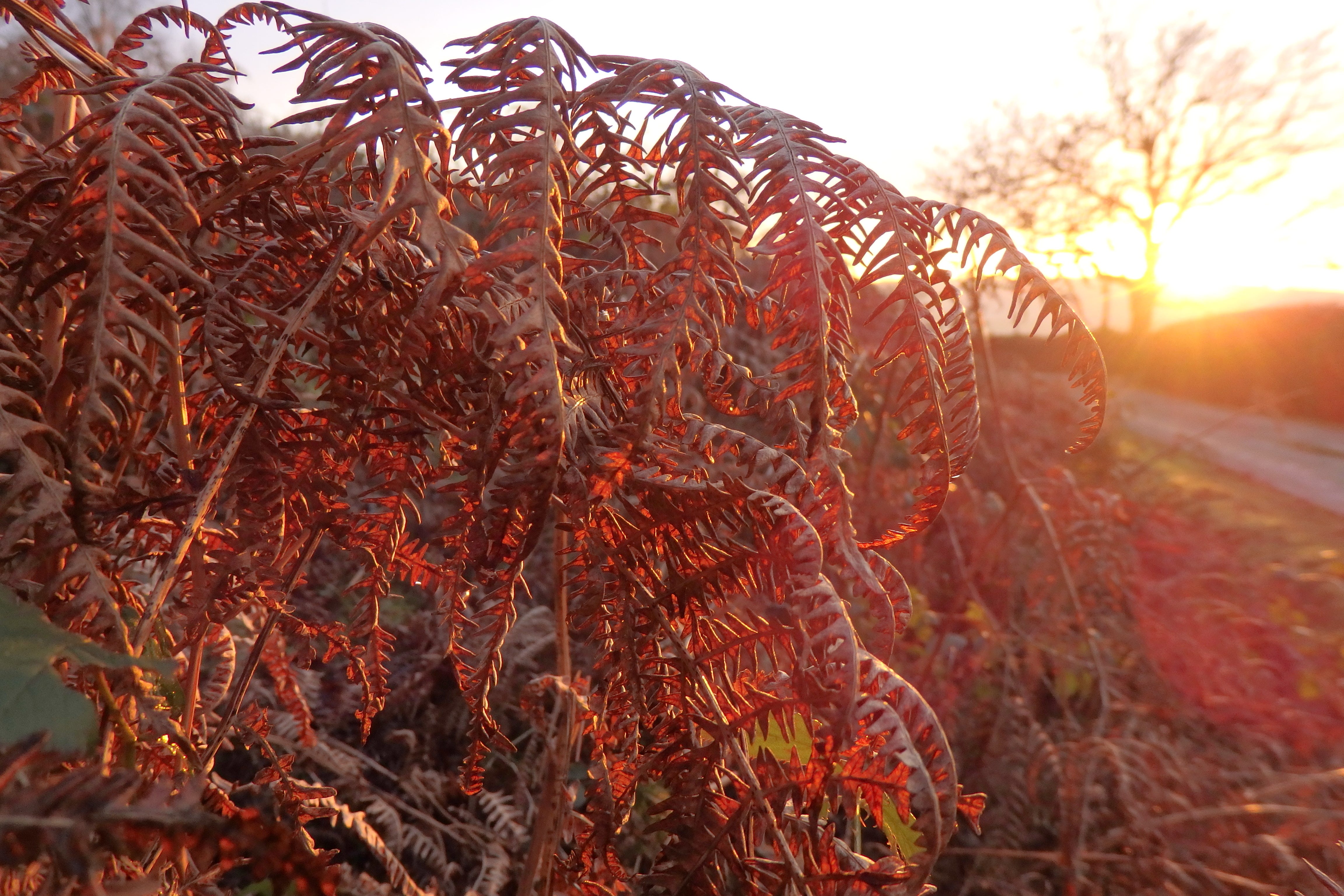
“Where there’s bracken there’s gold; where there’s gorse there’s silver; where there’s heather there’s poverty.”
This old hill farming saying reveals Bracken’s soil-building qualities, a necessary successional step for regenerating woodlands. Their toxicity to grazers is another reflection of this Gaian impulse. Seen in this light, you can understand why campaigners are reframing Bracken as part of attempts to bring back Britain’s lost temperate rainforests. Indeed, significant swathes of the plant, in the wetter West especially, are now described as ghost or shadow woods. Woods that were, and woods waiting to re-emerge, Bracken’s canopy often acting to protect ancient seed banks and woodland wildflowers from exposure and destruction (likewise for ground-nesting birds). These ‘woods’ often feather the edges of the remaining fragments.
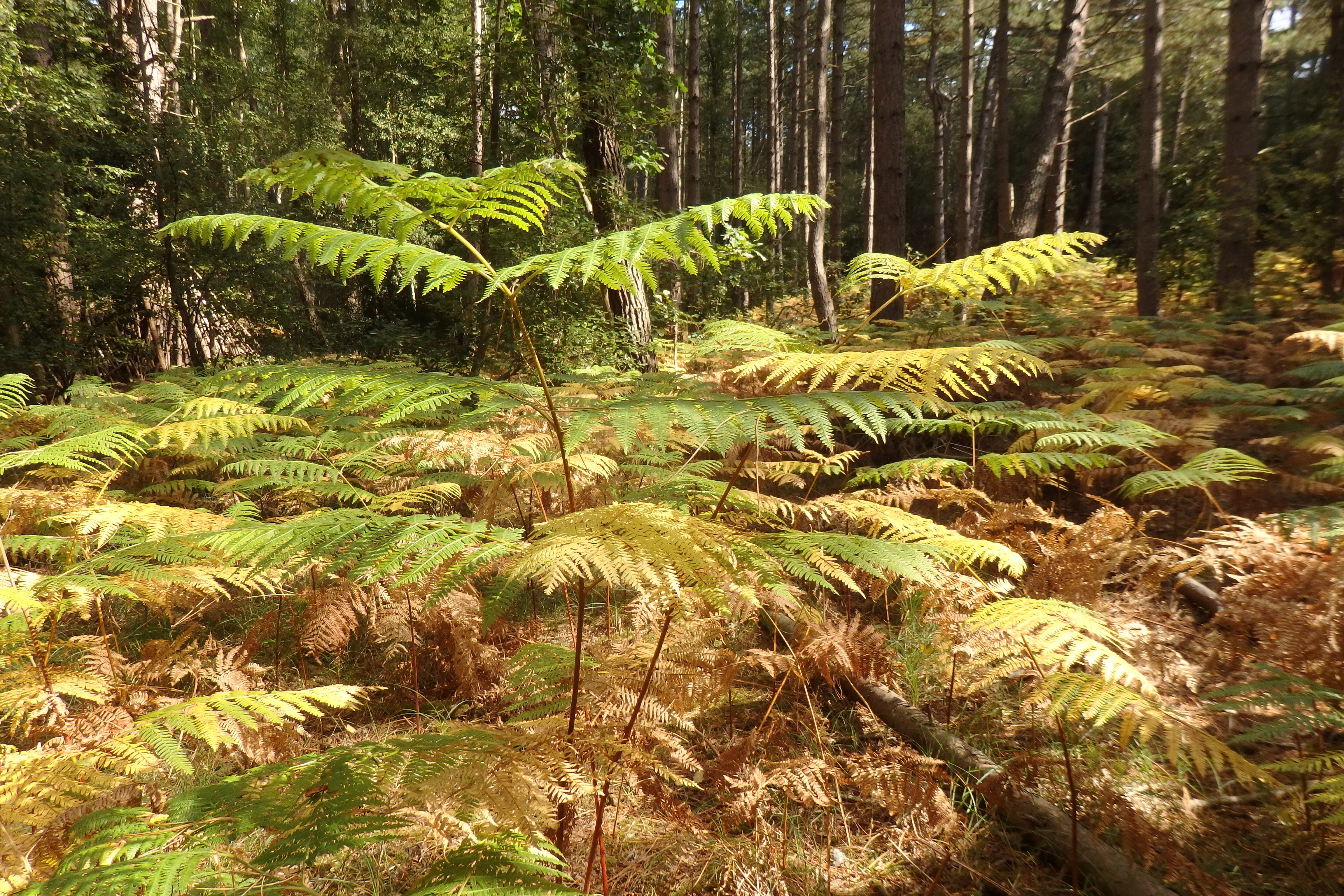
As regular readers will appreciate, this power with narrative appeals to me; this archetypal fern, Bracken, inviting back the forests in which we might return to reverence and grace (see also last week’s post). Their hidden depths home to a great variety of more shade-loving ferns, all together a powerful and timely medicine for our nervous systems, as well as the wider web of Life.