
In Convivium #3
With ecological regenerators João Cortes Oliveira and Pampas grass

A few years after first being put in touch with João events finally conspired for us to meet and discuss his work properly, albeit via Zoom. We had a great conversation and I felt deep resonance with his insights from the field. You can watch the recording here, a short and sweet 33mins.
João and the organisation he works with, Mushmore, had been flagged up as an interesting Portuguese case study in the context of collaborating with plantae non gratae, specifically Pampas grass. Regarded by others as an emerging ‘invasive’ in Europe, this South American introduction will likely be familiar to you for the large, ornamental, autumnal flower plumes, but perhaps also for having razor-sharp leaves.*
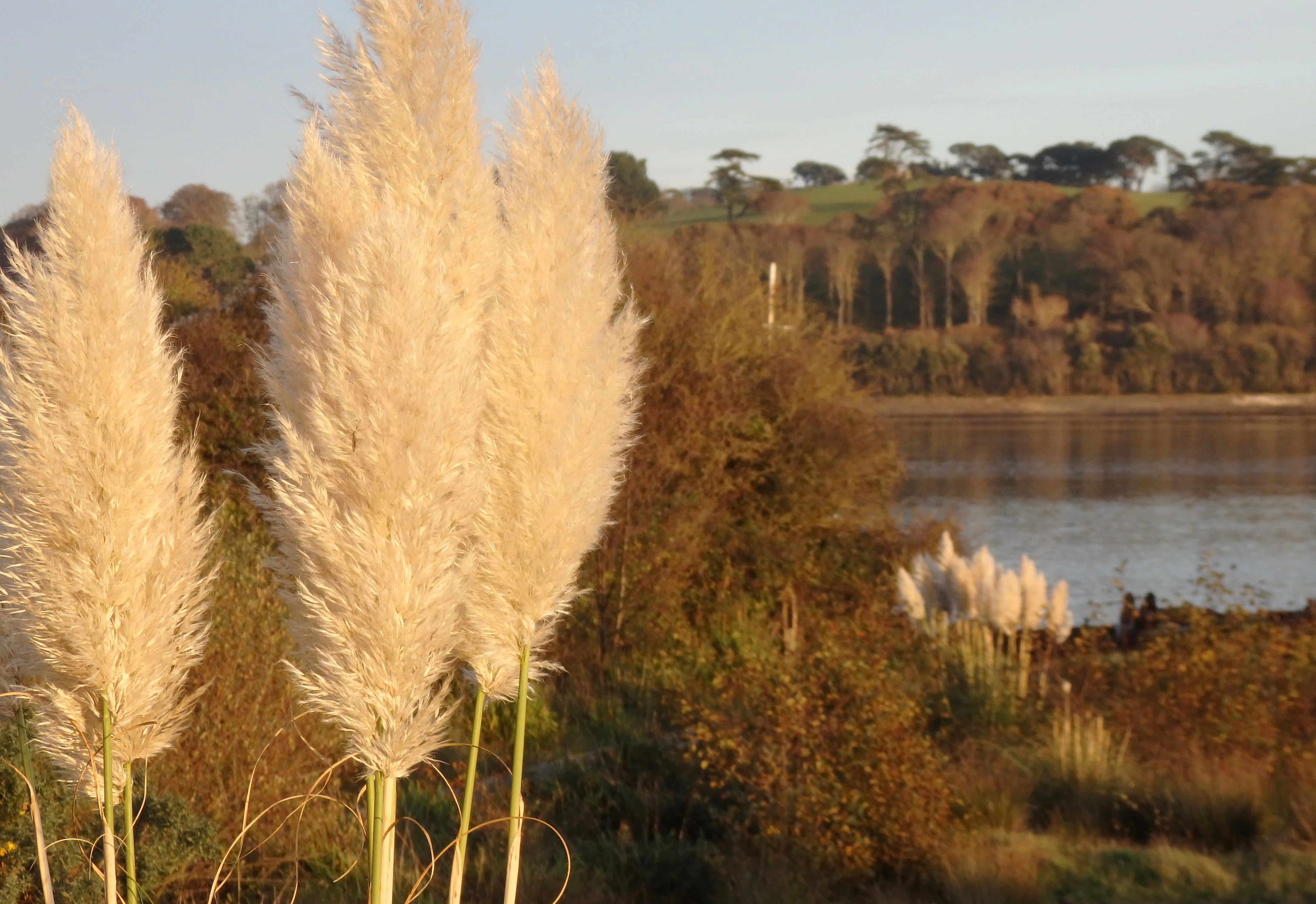
Rather than seek to eradicate Pampas grass, Mushmore utilise the plant’s skills to facilitate ecosystem regeneration. As João acknowledges, ‘invasives’ perform roles of great value to such healing work. And Pampas is a very effective nurse plant, as I have observed here in the UK, building soil rapidly in denuded landscapes, whilst protecting it and the returning trees too (those leaves). When we also consider where Pampas is often found, volunteering along transport corridors, it’s very interesting to learn that this Grass has been found to cleanse soils of petroleum hydrocarbons. Clever? Certainly. A coincidence? Likely not.
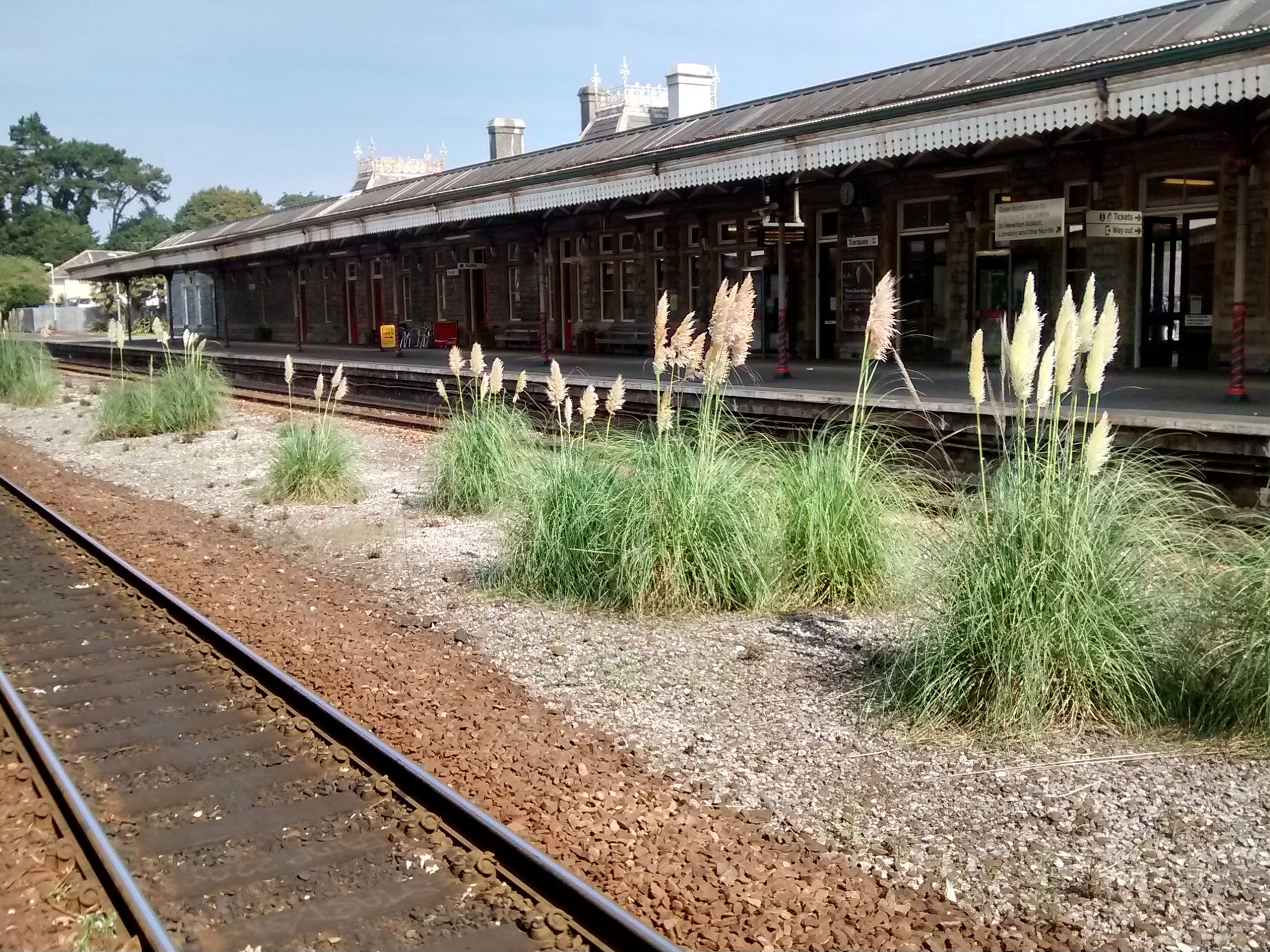
In Mushmore’s experience, once roles are fully accomplished such plants recede into the ecological background.** Indeed, there are some studies on other plantae non gratae that might suggest the same outcome. European gorse and Butterfly bush, both in Aotearoa/New Zealand, and Garlic mustard in North America come to mind. From an holistic, Gaian perspective it makes sense; they’re there to contribute, not compete.
João is not the first to observe that it has been “forbidden to say good things about invasives.” Hence Mushmore likes to work under the radar somewhat - to attract “less heat” - without themselves eschewing science or data. He joined me in inviting open-minded researchers and equally open-minded funders to look at plantae non gratae from a different perspective to the one normally informing Invasion Biology.
“You’ve already lost the ecological battle [sic] if you go to the field and see the one that you wish not to be there as an enemy.” Indeed, João and his team have observed that the more one attacks, the harder to destroy the vegetal response becomes. Let that insight really take root. Along with the refreshing reality that Mushmore’s approach is deeply informed by a spiritual worldview, as he details in the interview. Enjoy.
*There is, incidentally, another species of Cortaderia, from Aotearoa/New Zealand, that is naturalising elsewhere. C. richardii, or Toetoe to use the Māori name, flowers earlier than Pampas grass in the northern hemisphere (from midsummer).
**This aspect underpins Step 7 of my 6-8 Step Process of Reconciliation Ecology, wherein the agency of plantae non gratae is accelerated, leading to their natural diminishment, tasks completed. For instance, by preventing at source the pollution they are treating, or facilitating in barren scenarios the ingress of tree seeds that they are there to nurse. Step 7 comes into play if it’s deemed necessary to appease human concerns. This Step Process is available as a short course, details by request.