
U is for...
Ulex europaeus

(Continuing with excerpts from The Z-A of Plants and People - An Alternative Guide to Greater Harmony, previously unpublished.)
“We now believe we have to plant [trees] to guarantee their presence on the earth.” British naturalist Richard Mabey
One of the earliest Nature insights offered to me by my wise and wonder-fuelled wife was this - I now realise - common British saying: when the Gorse is in bloom, kissing’s in season. Sometimes said in its negative variant, the point is that Gorse always seems to be flowering. Whilst this is actually down to different species of Gorse, with varying flowering times, folk will often be taking their cue from the long-flowering Common gorse, whose scientific name is Ulex europaeus.
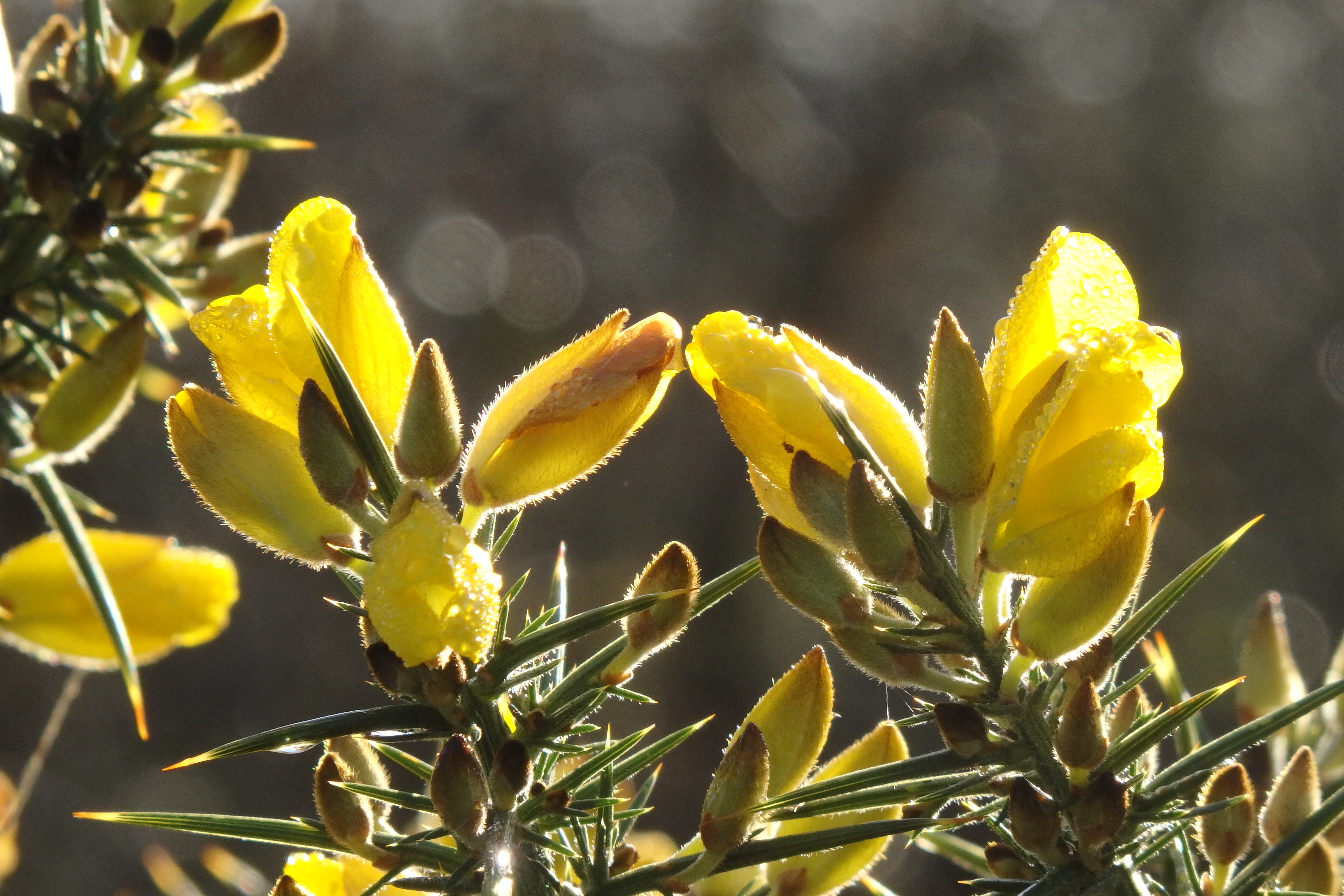
The 18th Century Swedish botanist Carl Linnaeus, creator of modern botanical nomenclature (i.e. plant naming, genus + species), is said to have dropped to his knees and thanked God on first encountering the plant whilst visiting Putney Heath in London. I too find it a joy to behold and a herald of Spring sunshine - and if you’ve never smelt the flowers, try them! You’ll immediately be transported to palm-fringed beaches, the coconut scent enough to banish most winter blues. And so it’s no surprise to me that Common gorse is a Bach flower essence remedy for hopelessness. Apparently, Welsh monks used to make a perfume from the flowers and a quick google suggests modern perfumers are keeping this practice alive, whilst I’ve also seen it flavouring Cornish chocolate.
For Richard Mabey, quoted above, “Gorse is one of the great signature plants of commonland and rough open space.” Ecologically speaking it’s an ecosystem response to infertile soil and, especially, fire. Regarding infertility, Gorse, as a legume, is, unlike most plants, able to fix atmospheric nitrogen and thereby enrich the soil, all thanks to mutualistic soil bacteria. The rapid accumulation of its leaf litter also helps in this regard. In terms of wildfire, it’s able to aid the rapid greening over of burnt areas and the provision of much needed wildlife support.
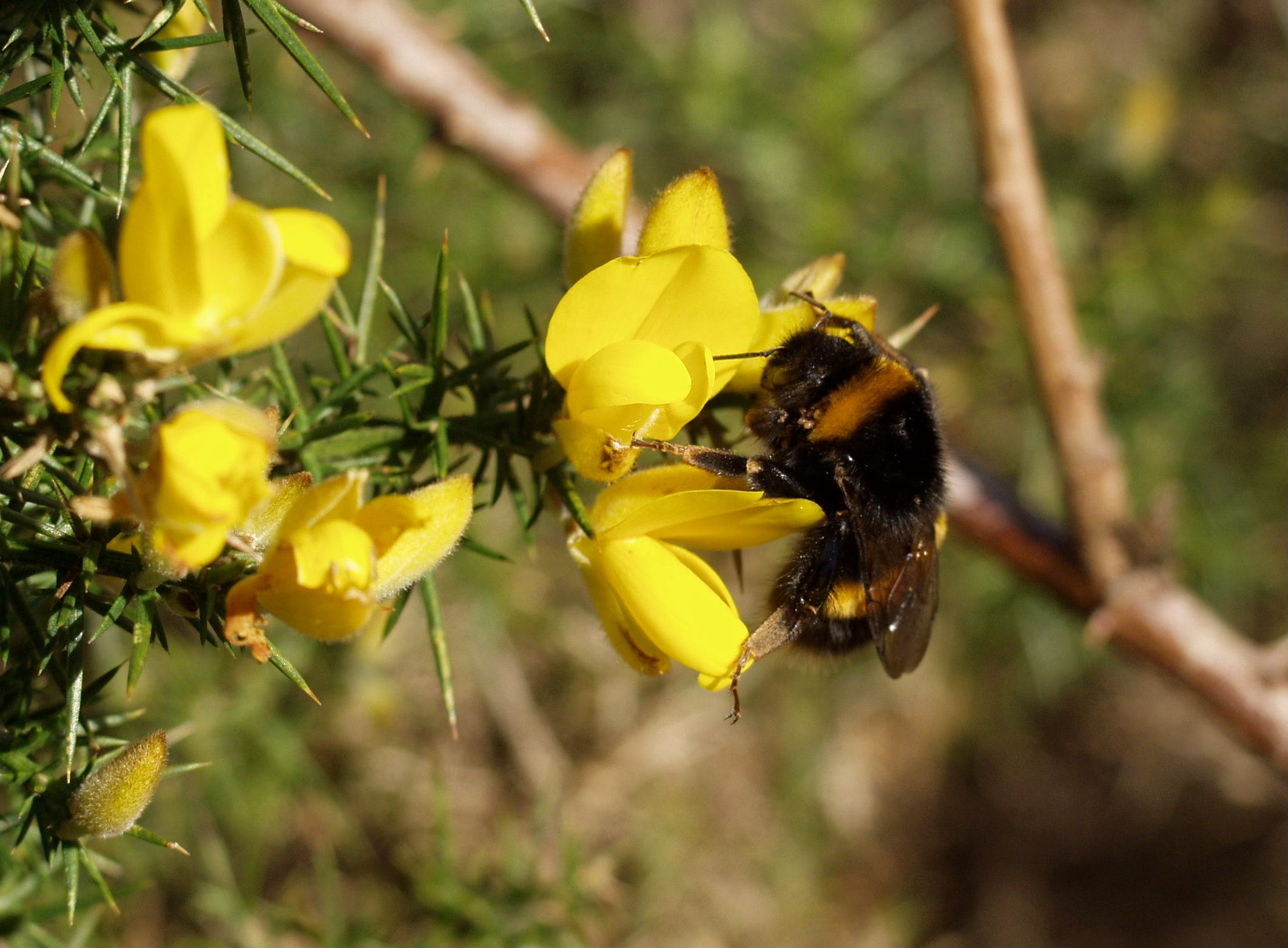
Without repeated fire Gorse’s spiny cover offers protective and succouring habitat for many organisms - insects, reptiles, birds - and acts as a safe nursery for tree saplings brought in by this wildlife (as do many such ‘pioneer’ shrubs). Thus it can facilitate the succession to woodland - the renewal of Gaia’s green mantle - and this, we could say, is ultimately its ecological role. With woodland restored the shade-intolerant Gorse recedes, task complete.
This is also true where it has been introduced by humans, such as Aotearoa/New Zealand (cue the revelatory work of botanist Hugh Wilson). There it’s generally been treated as a noxious foreign weed due to its ‘invasion’ of rough pasture (despite providing nutritious forage once macerated). However, studies have shown Gorse actually restores native broadleaved forest in about thirty years (or less). Admittedly, this woodland was not as diverse as undisturbed reference areas, but how could it be in that relatively small amount of time. Regardless, woodland is not what the ranchers want and there’s nothing like an enemy at the fence.
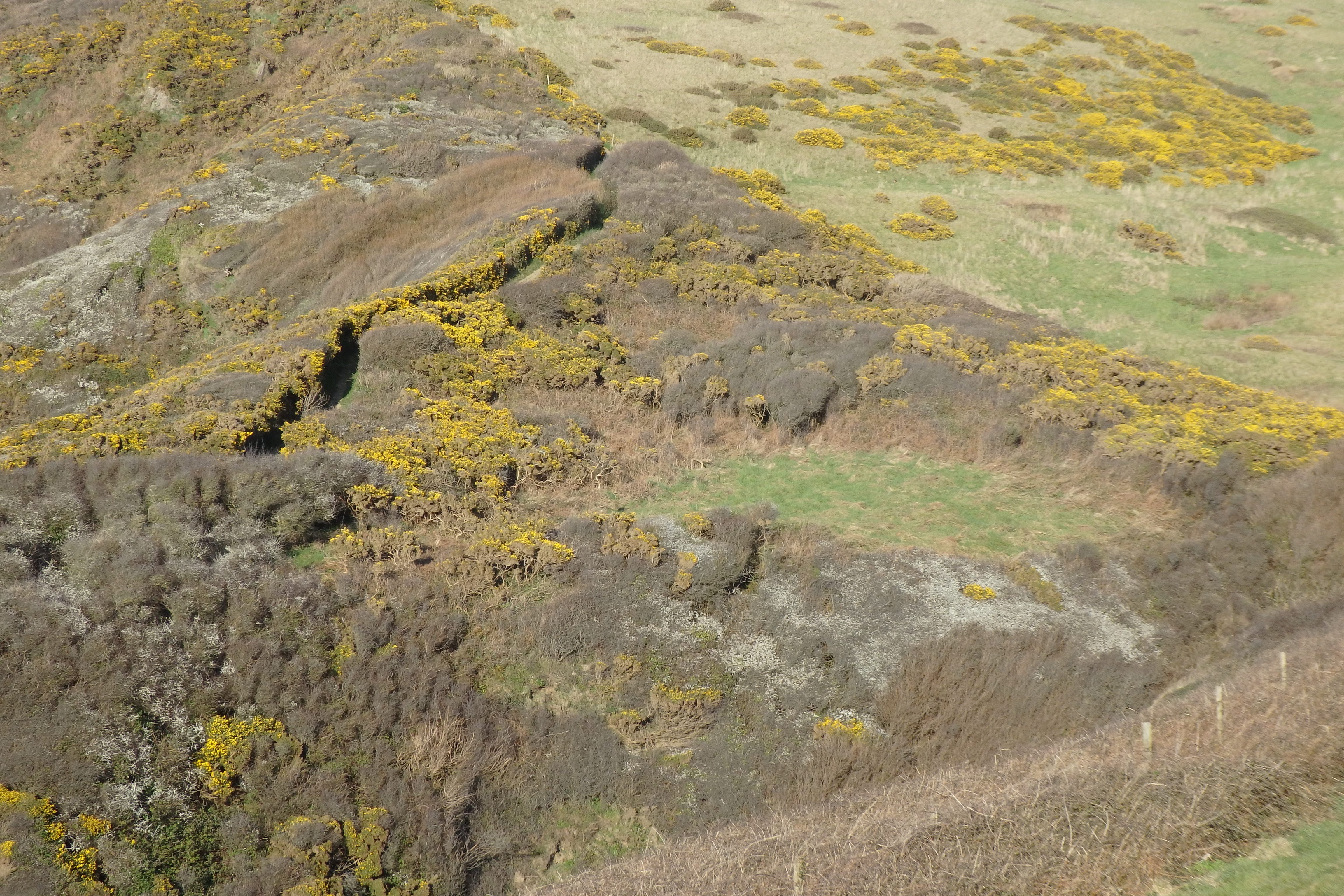
Considering the bigger picture, there are today growing calls for large-scale reforestation. Plants like Gorse can help us achieve this without recourse to great planting efforts, and doubtless we could hasten this process, by accelerating tree seed arrival say. Along the way such ‘nurse’ species offer many additional yields; beyond those already mentioned for Gorse, its flowers are valued by beekeepers and generate a yellow dye as well as a wine. Hope springs eternal they say, and so does the plant being Gorse it seems. Cheers! to that.